 Nutrition
Diet plan for women: how to eat to lose fat and sculpt your body
The best diet plan for women who want to lose fat and tone up is not a crash diet or a rigid meal plan you can follow for two weeks and then abandon. It is a simple, sustainable way of eating built on three things: a modest calorie deficit, plenty of protein, and mostly whole foods you actually enjoy, paired with strength training so the weight you lose is fat and the shape you keep is muscle. Do that consistently and your body changes for good. This guide breaks down exactly how much to eat, how much protein you need, what a day of eating looks like, and why the extreme diets you have tried before always fail.
Why crash diets don't work for women
Crash diets fail because they strip away muscle and slow your metabolism, so the weight comes back as soon as you stop, often with interest. Cutting your calories drastically feels productive for a week or two, but your body responds by burning fewer calories, breaking down muscle for energy, and ramping up hunger hormones. Research on extreme diets notes they tend to be unbalanced and carry real safety issues, and rapid weight loss is associated with problems like gallstones and nutrient deficiencies.
For women specifically, very low-calorie dieting can disrupt hormones, energy, sleep and mood, and the muscle you lose is exactly the tissue that gives you a toned, strong shape. The result is the familiar cycle: lose weight fast, feel awful, rebound, and end up softer than before. A good diet plan does the opposite. It keeps you strong, protects your muscle, and produces slower but permanent change. If you take one thing from this guide, let it be that patience beats extremes every single time.
The three principles every good diet plan is built on
Every effective diet plan for women comes down to three principles, and everything else is detail. Get these right and you do not need to follow anyone else's rigid meal plan.
- A modest calorie deficit. To lose fat you need to eat slightly less than you burn, but modestly, not drastically. A small deficit protects muscle and is sustainable.
- Plenty of protein. Protein preserves muscle while you lose fat, keeps you full, and is the raw material for the toned shape you want.
- Mostly whole foods. Building meals around lean proteins, vegetables, fruit, whole grains and healthy fats gives you more food for fewer calories and keeps you satisfied.
Notice what is not on the list: no banned food groups, no detoxes, no skipping meals. The Mayo Clinic frames healthy weight loss around adding good habits like eating vegetables, fruit, whole grains and healthy fats, rather than punishing restriction. That is the mindset that works.
How much protein should a woman eat
To lose fat and build a toned shape, most women should eat roughly 1.6 to 2.2 grams of protein per kilogram of bodyweight each day, spread across meals. In everyday terms, that usually means a palm-sized portion of protein at every meal, plus a protein-rich snack. Protein matters more than any other single nutrient when your goal is toning, because it protects your muscle in a calorie deficit and keeps you fuller for longer.
Good protein sources are easy to build meals around. The best protein sources, according to Harvard Health, include fish, poultry, eggs, dairy, beans, lentils and nuts, and the American Heart Association recommends a mix of lean animal and plant proteins. The quick reference below shows roughly how much protein common foods provide, so you can see how easily a day adds up.
| Food | Portion | Protein (approx) |
|---|---|---|
| Chicken breast | 100 g | 31 g |
| White fish or salmon | 100 g | 22 g |
| Greek yogurt | 150 g | 15 g |
| Eggs | 2 large | 12 g |
| Cooked lentils | 1 cup | 18 g |
| Firm tofu | 100 g | 8 g |
| Protein shake | 1 scoop | 25 g |
Aim to hit your protein target first at each meal, then build the rest of the plate around it. A few habits make it easy: start every meal by choosing the protein, keep quick options like eggs, Greek yogurt and tinned fish on hand, add a protein-rich snack if you are falling short by evening, and use a shake only to top up a genuine gap rather than to replace real food. Most women who struggle to tone up are simply not eating enough protein, so this one change alone often transforms results.
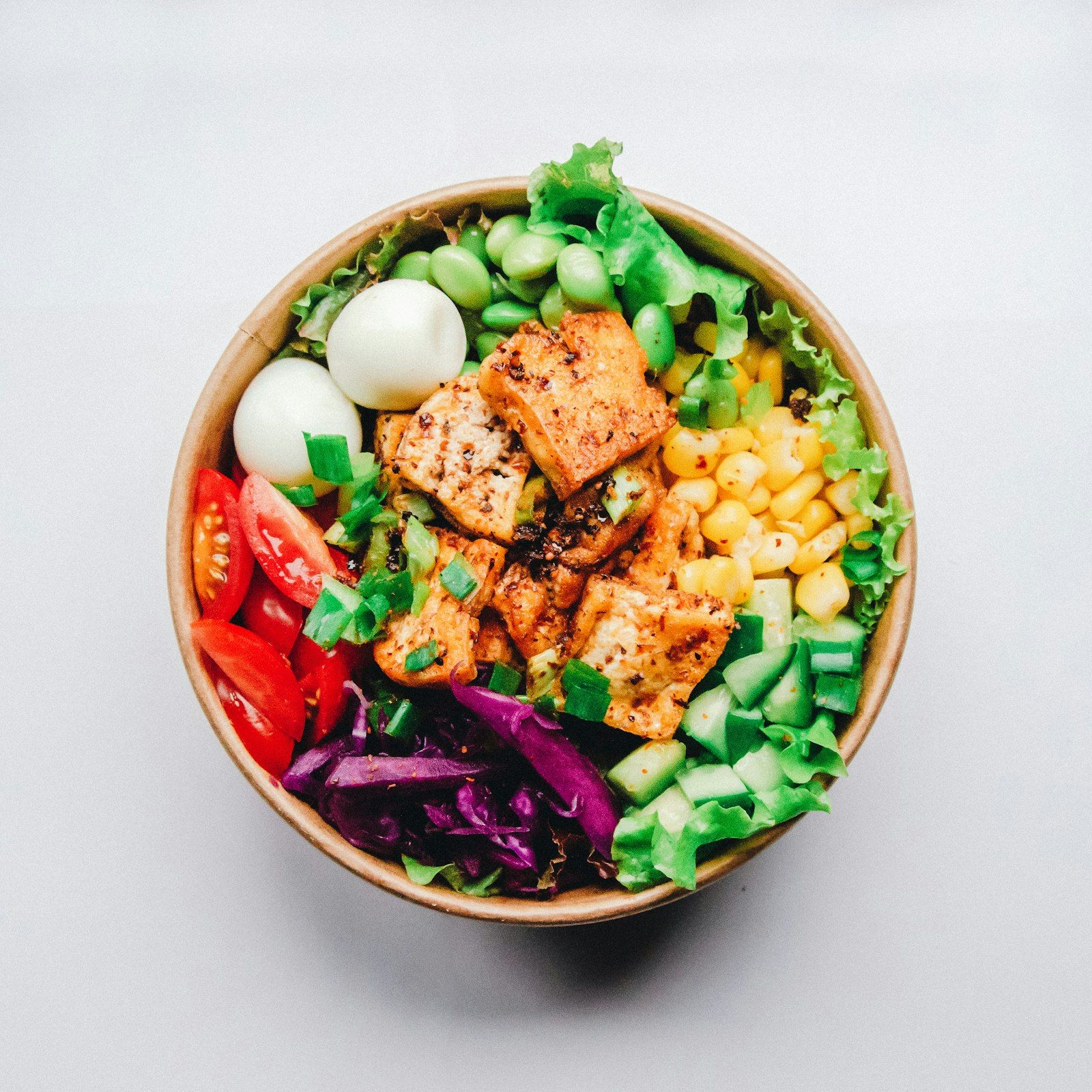
Build each meal around a good source of protein, then add vegetables and a sensible portion of carbs.
How many calories should a woman eat to lose weight
Most women lose fat sustainably on a modest deficit of roughly 300 to 500 calories below their maintenance level, which produces around half a kilo of fat loss per week. The exact number depends on your size, activity and starting point, but the principle holds: smaller deficits preserve muscle and energy, while huge deficits backfire. Slow and steady is not a cliche here, it is the mechanism.
Rather than obsess over a precise calorie count, most women do better focusing on protein and whole foods, which naturally controls calories without weighing every meal. If you do want a number, work out roughly what you eat to maintain your weight, then trim a little. Avoid dropping below about 1,200 to 1,400 calories a day without professional guidance, as very low intakes are hard to sustain and risk the muscle loss and hormonal issues that crash diets cause. The NHS advice on healthy weight-loss eating stresses balanced meals and portion control over extreme restriction, and that is the safer, more effective path.
How to build your plate
The simplest diet plan is a plate formula you can repeat at every meal without thinking: protein first, then vegetables, then a portion of carbs and a little healthy fat. This removes the need for a rigid day-by-day meal plan and works whether you are cooking at home or eating out.
| Part of the plate | Roughly how much | Examples |
|---|---|---|
| Protein | A palm-sized portion | Chicken, fish, eggs, tofu, Greek yogurt, beans |
| Vegetables | Half the plate | Leafy greens, peppers, broccoli, salad, stir-fried veg |
| Carbohydrates | A cupped-hand portion | Rice, potatoes, oats, fruit, whole grains |
| Healthy fats | A thumb-sized portion | Olive oil, nuts, avocado, seeds |
Fill half your plate with vegetables for volume and nutrients, make protein the centrepiece, keep carbs to a sensible portion, and add a little fat for flavour and hormones. You do not need to cut carbs or fat out entirely; both matter for energy, training and health. This one formula, repeated, is a complete diet plan.
A simple day of eating for fat loss and toning
A good day of eating hits your protein target, includes plenty of vegetables, and never leaves you starving, which is what makes it sustainable. Here is an example built on the plate formula above, adaptable to your tastes and to eating in Thailand or anywhere else.
- Breakfast. Eggs or Greek yogurt with fruit and oats, or an omelette with vegetables. Protein first thing sets up the day.
- Lunch. Grilled chicken or fish with a large salad or stir-fried vegetables and a portion of rice.
- Snack. Greek yogurt, a protein shake, edamame, or a piece of fruit with nuts.
- Dinner. A palm of protein (fish, chicken, tofu or lean meat), half a plate of vegetables, and a modest portion of carbs.
Notice there is nothing exotic or expensive here, and nothing is banned. That is the point. A diet you can eat on a normal day, in a normal week, that you could happily follow for a year, is the one that actually changes your body. If you want a plan built precisely around your body, goals and food preferences, a personalised diet and training programme takes all the guesswork out.
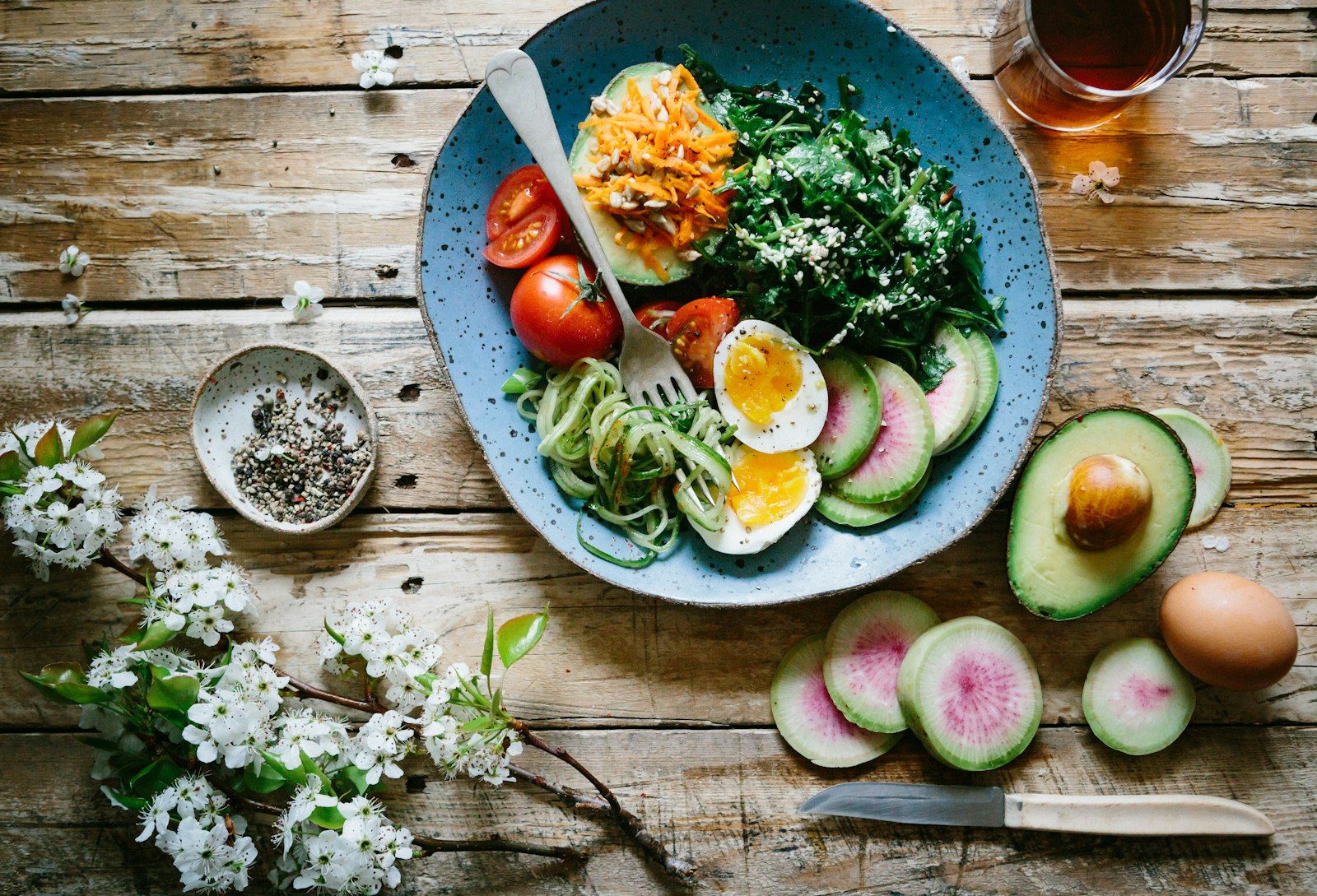
A balanced plate you can repeat: protein, half a plate of vegetables, a portion of carbs and a little healthy fat.
Eating to sculpt your body, not just shrink it
To sculpt your body rather than simply get smaller, you have to pair your diet with strength training and enough protein, because eating alone can make you lighter but not more toned. Toning is really two things happening together: losing fat so muscle becomes visible, and building a little muscle so you have shape to reveal. Diet drives the fat loss; training and protein drive the shape.
The good news for women, especially beginners, is that you can often lose fat and build muscle at the same time in your first months of proper training, so long as protein is high and you are lifting. This is exactly why a diet plan and a training plan should never be separated. If your goal is a specific area like glutes, understanding how to grow your glutes shows how training and nutrition work together, and pairing that with the eating principles here is what produces a genuinely sculpted result rather than a smaller, softer version of the same shape.
Eating out and staying social in Thailand
You can absolutely lose fat while eating out and enjoying life, and in Thailand the food actually makes it easier once you know what to choose. The plate formula still applies: find the protein, load up on vegetables, keep the portion of rice or noodles sensible, and watch the hidden sugar and oil.
Smart Thai and eating-out choices include grilled chicken or fish, som tam (green papaya salad), tom yum soup, stir-fried vegetables, and plain rice in a moderate portion. The traps are sweetened iced coffees and teas, fruit smoothies loaded with syrup, deep-fried dishes, and heavy coconut or peanut sauces, which can quietly double a meal's calories. You do not need to avoid restaurants or social meals; you just need a simple default order. A diet plan that survives real life, holidays and dinners out is the only kind worth following.
Common diet mistakes women make
Most women who struggle with their diet are making one or more of a handful of predictable mistakes, and fixing them is often all it takes to start seeing change.
- Eating too little. Slashing calories too hard backfires through muscle loss, low energy and rebound eating. Eat enough to fuel training.
- Not enough protein. The single most common gap. Without enough protein you lose muscle and stay hungry.
- Cutting out entire food groups. Banning carbs or fat is unsustainable and unnecessary. Balance beats elimination.
- Drinking your calories. Sweet coffees, smoothies, juices and alcohol add up fast without filling you up.
- All-or-nothing thinking. One off-plan meal is not a failure. Perfectionism is what makes people quit.
- Ignoring strength training. Diet without lifting gets you smaller, not sculpted. The two go together.
None of these require willpower to fix, just a better structure. Eat enough, prioritise protein, keep a balanced plate, and train, and the results follow.
Consistency beats perfection
The diet that works is the one you can stick to, so aim for consistency rather than a flawless week followed by a blowout. A useful rule of thumb is to eat well around 80 percent of the time and relax the other 20 percent, which leaves room for a meal out or a treat without derailing progress. Guilt and restriction are what break diets; a sustainable rhythm is what keeps them going.
Practical habits make consistency easier: plan your protein for the day, keep easy options in the house so a busy day does not become a takeaway, drink plenty of water, and judge your progress over weeks rather than days. The scale bounces around for all sorts of reasons, so track how your clothes fit, your energy, your training numbers and monthly photos instead. Progress that is slow but steady, and that you barely have to force, is exactly what a good diet plan should feel like.
Do you need supplements?
No, you do not need supplements to lose fat and tone up, and no supplement will fix a diet that is not working. Food comes first, always. That said, a few supplements can be convenient or genuinely helpful once your diet is solid. Protein powder is the most useful, not because it is magic, but because it makes hitting your daily protein target easier on busy days. Creatine is one of the most researched supplements and can support strength and training performance for women who lift. A basic vitamin D or omega-3 may help if your diet is short on them, though whole foods are always the better first option.
What you can safely ignore are fat burners, detox teas and appetite-suppressant products, which range from useless to harmful and often just contain caffeine. Spend your money on good food and, if you want, a decent protein powder, and skip the rest. Supplements are the small final touch on a good diet, never a substitute for one.
When a personalised plan helps
A personalised diet plan helps most when you have tried the general advice and still feel stuck, or you simply want the guesswork removed and your eating built precisely around your body, goals and lifestyle. General principles get most women a long way, but a plan tailored to your maintenance calories, your protein needs, your training and the foods you actually like is what makes it effortless to follow.
Every training programme I write comes with a personalised diet plan for exactly this reason, because food and training have to work together to sculpt your body. Whether you are in Phuket or training online, you can book a free consultation to get a plan built for you, and if you are just getting started, the beginner's guide to training in Phuket pairs perfectly with the eating principles here. You can also browse more nutrition guides on the blog.
Frequently asked questions
What is the best diet plan for women to lose weight and tone?
The best plan is a sustainable one: a modest calorie deficit, plenty of protein (around 1.6 to 2.2 grams per kilogram of bodyweight), mostly whole foods, and strength training to keep and build muscle. Avoid crash diets. Build every meal around protein and vegetables, keep carbs and fats in sensible portions, and stay consistent rather than perfect.
How much protein should a woman eat to lose fat and tone?
Aim for roughly 1.6 to 2.2 grams of protein per kilogram of bodyweight per day, spread across meals. In practice that is a palm-sized portion of protein at each meal plus a protein-rich snack. Protein preserves muscle in a calorie deficit and keeps you full, which is why it is the most important nutrient for toning up.
How many calories should a woman eat to lose weight?
Most women lose fat well on a modest deficit of around 300 to 500 calories below maintenance, which is roughly half a kilo a week. The exact figure depends on your size and activity. Avoid dropping below about 1,200 to 1,400 calories a day without professional guidance, as very low intakes cause muscle loss, low energy and rebound weight gain.
Why don't crash diets work?
Crash diets slow your metabolism, break down muscle and spike hunger hormones, so the weight returns as soon as you stop, often with extra. Rapid, extreme dieting is also linked to nutrient deficiencies, gallstones and, in women, hormonal disruption. A modest, sustainable approach that protects muscle produces slower but lasting results.
Can you lose fat and build muscle at the same time?
Yes, especially as a beginner or when returning to training after a break. With enough protein and consistent strength training, women can lose fat and build muscle simultaneously in their first months, which is exactly what creates a toned look. This is why diet and training should always be done together rather than dieting alone.
Do I have to give up carbs to lose weight?
No. Carbs are not what make you gain fat; eating more calories than you burn does. Carbs fuel your training and help you feel satisfied. Keep them to sensible portions and choose mostly whole sources like rice, potatoes, oats and fruit. Cutting them out entirely is unsustainable and unnecessary for fat loss.
What are the best foods to eat to tone up?
Build meals around lean proteins (chicken, fish, eggs, tofu, Greek yogurt, beans), plenty of vegetables, whole-grain or starchy carbs in moderate portions, and healthy fats like olive oil, nuts and avocado. These give you the most food and nutrients for the fewest calories while hitting the protein you need to preserve and build muscle.
How long does it take to see results from a new diet?
Most women notice better energy and less bloating within a week or two, and visible fat loss over four to eight weeks of consistent eating and training. Toning becomes clear over a few months. Progress is not linear, so judge it by how your clothes fit, your training and monthly photos rather than daily weigh-ins.
Do I need a personalised diet plan or is general advice enough?
General principles, protein, a modest deficit, whole foods and strength training, get most women a long way. A personalised plan helps when you feel stuck, have specific goals, or simply want your eating built around your body and lifestyle so it is effortless to follow. Pairing a tailored diet with a training plan gives the fastest, most sustainable results.
Sources
- Harvard Health, high-protein foods and the best protein sources
- Mayo Clinic, a healthy weight-loss approach
- American Heart Association, picking healthy proteins
- NHS, healthy eating when trying to lose weight
- PubMed Central, pros and cons of popular extreme weight-loss diets
About this guide
This guide was written and reviewed by Jeejee, a NASM-certified personal trainer (NASM-CPT) based in Phuket who specialises in women's fitness, fat loss, body sculpting and nutrition coaching, in person and online. It is general educational information, not personalised medical or dietary advice. If you are pregnant, have a medical condition, or a history of disordered eating, please speak to a doctor or registered dietitian before changing how you eat. Last reviewed July 2026.
Ready to put this into practice?
Book a free consultation