 Phuket Training
Group personal training vs one on one: which is right for you in Phuket
When people weigh up hiring a coach, one of the first choices they hit is group personal training vs one on one. Both genuinely work, and neither is simply better than the other. One-to-one training gives you a fully personalised plan, undivided attention and the fastest route to a specific goal. Small-group training costs less per person, brings energy and social motivation, and still gives you real coaching. The right choice comes down to your goal, your budget and how you like to train. This guide compares them honestly on results, cost, personalisation and motivation, then gives you a simple way to decide, with everything grounded in how training actually works here in Phuket.
I am Jeejee, a NASM-certified personal trainer in south Phuket, and I coach women both one-to-one and in small groups. I have seen both get great results, and I have also seen people pick the wrong one for their goal and stall. Here is how to choose well.
The short answer
For the fastest, most tailored results, one-to-one training wins, because everything is built around you and your form gets constant attention. For value, sociability and staying consistent through enjoyment, small-group training is excellent and costs noticeably less per session. Most people should choose based on three things: how specific and urgent their goal is, how much they want to spend, and whether they train better with focused attention or with the energy of others. If your goal is very specific, you have an injury, or you want results quickly, lean one-to-one. If budget matters, you enjoy company, or you want something sustainable and fun, small-group is a smart choice.
What each one actually is
It helps to be clear on the terms, because "group" covers a range:
- One-to-one personal training. Just you and the coach. The entire session, plan and pace are built around you, and every rep can be watched and corrected.
- Small-group or semi-private training. Usually two to six people training together under one coach, often on individualised plans within the session. You still get real coaching attention, shared between a few people, at a lower price each.
- Partner or couples training. A specific small group of two, often friends, a couple or family, training together. Popular because it is cheaper each and more fun with someone you know.
- Large group fitness classes. Twenty or more people following the same routine led from the front. Great for a workout and atmosphere, but not personal coaching, so it sits outside this comparison.
This article focuses on one-to-one versus small-group and partner training, since those are the real coaching options a personal trainer offers.
Group personal training vs one on one: the comparison
Here is the honest side-by-side on the things that actually matter.
| One-to-one | Small-group or partner | |
|---|---|---|
| Personalisation | Fully tailored to you | Partly tailored, shared focus |
| Form attention | Constant, every rep | Shared across the group |
| Cost per session | Highest | Lower per person |
| Motivation | From the coach | From the coach and the group |
| Pace and scheduling | Entirely yours | Coordinated with others |
| Privacy | Complete | Shared setting |
| Best for | Specific goals, injuries, fast results | Value, sociability, general fitness |
Neither column is a loser. They are simply different trade-offs, and the right one depends on which of those rows matters most to you.
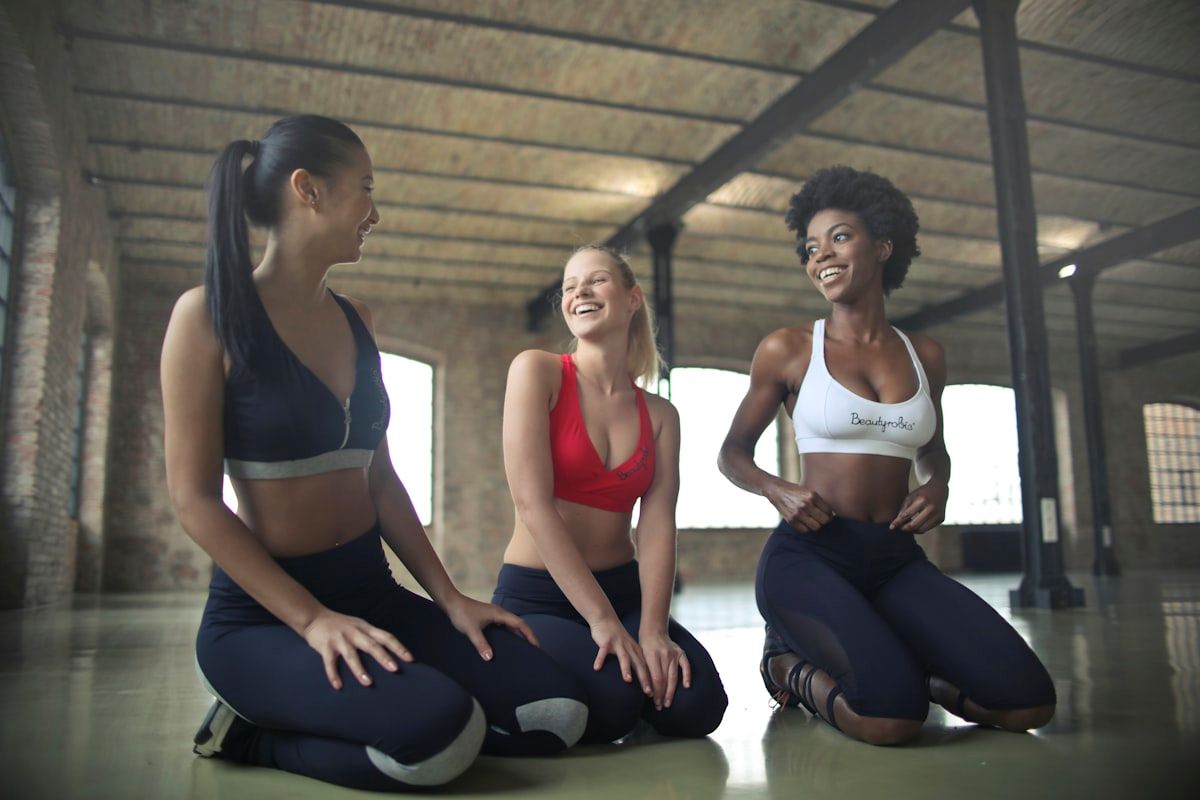
Small-group training shares the coach's time across a few people, which lowers the cost and adds energy.
One-to-one personal training: what it is best at
One-to-one is the gold standard for personalisation and results, which is why the industry generally agrees that one-to-one training offers unique advantages that can significantly improve your results. Everything is built around you: your goal, your body, your injuries, your pace. Your form gets watched on every rep and corrected instantly, which matters enormously when you are learning, recovering from injury, or chasing a specific outcome like fat loss or building your glutes.
It also flexes to your life. You pick the time, the location and the focus, and the plan adjusts week to week based on your progress. The trade-off is cost, since you are paying for the coach's full attention, and there is no group energy to feed off. One-to-one suits people with a specific or time-sensitive goal, anyone training around an injury or health condition, beginners who want to learn properly and fast, and those who simply prefer private, focused attention. If that is you, our guides on how to choose a personal trainer in Phuket and how often to train will help you set it up well.
Small-group and partner training: what it is best at
Small-group training is the value and enjoyment champion. The headline benefit is cost: small-group training typically costs significantly less per session than one-to-one while still giving you real coaching attention, because the coach's time is shared across a few people. For many people that is the difference between training with a coach twice a week and not being able to afford it at all.
The second benefit is motivation and consistency. Training alongside others brings energy, a bit of friendly accountability, and often more fun, which is exactly what keeps people turning up over the long term. Partner or couples training doubles down on that: bringing a friend or partner makes sessions cheaper each and far more likely to stick, because you have someone counting on you to show up. The trade-off is that attention is shared, so form correction is less constant and the plan is less bespoke than one-to-one. Small-group suits people on a budget, those who train better with company, couples and friends who want to get fit together, and anyone whose goal is general fitness, toning and health rather than a highly specific target.
Cost: what each typically costs in Phuket
Cost is the deciding factor for a lot of people, so here is the honest picture. In Phuket in 2026, a one-to-one session with a qualified independent trainer typically runs 1,000 to 2,000 THB, with blocks bringing the per-session price down. Small-group and partner training is charged lower per person, because you split the coach's time, so the same coach who is 1,800 THB one-to-one might be well under half that per person in a small group. Across the wider market, small-group training is consistently the cheaper-per-head option, which is its main appeal.
Two things are worth remembering. First, cheaper per session does not always mean better value for your goal: if you need close form correction or have a specific target, the personalisation of one-to-one can get you there faster and cost less per result. Second, buying a block of sessions lowers the price either way. For the full breakdown of what training costs here and what drives the price, see our personal trainer cost in Phuket guide, and if you are weighing coaching against just a gym membership, our personal trainer versus the gym comparison is a good companion.
How to choose: a simple framework
Cut through it with three questions.
- How specific and urgent is your goal? Very specific (fat loss for an event, building shape, training around an injury) or want it fast, choose one-to-one. General fitness, toning and feeling good, small-group is plenty.
- What is your budget? If one-to-one is comfortably affordable, its personalisation is the fastest route. If budget is tight, small-group or partner training lets you train with a coach for less rather than going without.
- How do you train best? If you focus better with undivided attention and privacy, go one-to-one. If you thrive on energy, company and a bit of social accountability, small-group will keep you consistent.
A simple rule of thumb: choose one-to-one when the priority is a specific result or your form and safety, and choose small-group when the priority is value, enjoyment or training with someone. If you are a complete beginner, either works, but a few one-to-one sessions first to learn the movements, covered in our beginner guide to training in Phuket and how to start strength training, makes any later group training far more effective.
Which should you pick? Three common scenarios
Frameworks are useful, but real examples make the choice obvious. Here are three that come up constantly.
The budget-conscious beginner who wants to get fit and toned. Small-group or partner training is usually the better call here. The goal is general, so a fully bespoke plan is not essential, and the lower per-person cost means you can afford to train consistently, which matters far more than perfect personalisation. The group energy also helps a nervous beginner keep showing up. A smart tweak is one or two one-to-one sessions first to learn the movements, then settle into the group.
The person with a specific, time-bound goal or an injury. One-to-one wins clearly. If you are training for an event, chasing noticeable fat loss or shape change in a set window, or working around a back or knee issue, you need a plan built around you and your form watched closely. The extra cost buys faster, safer progress, and trying to do this in a shared setting usually means slower results and more risk.
The couple or pair of friends who want to train together. Partner training is ideal. You split the cost, you keep each other accountable, and sessions are more fun with someone you know, which is often the single biggest predictor of sticking with it. You still get proper coaching, just shared between the two of you, and you can always add the odd solo session if one of you has a specific goal.
Most people fit one of these, and the pattern is clear: the more specific, urgent or injury-related the goal, the more one-to-one earns its cost; the more general, social or budget-driven the need, the better small-group fits.
Common myths, cleared up
A few misconceptions steer people wrong, so let us clear them up.
"Group training is just watered-down personal training." Not when it is genuine small-group coaching. You still get a real coach programming and correcting your training, just shared across a few people. It is a different format, not a lesser one, and for the right person it is the better fit.
"One-to-one is always worth the extra money." It is worth it when you need personalisation, speed or close form work. But if your goal is general fitness and the higher cost would stop you training regularly, paying more for attention you do not strictly need is poor value. The best training is the training you can actually sustain.
"Big group classes are the same as small-group personal training." They are not. A twenty-person class following one routine from the front is a workout, not coaching. Small-group personal training is a handful of people getting real, individual attention. If you want coaching, the size of the group matters.
"You have to pick one and stick with it forever." You do not. Many people move between formats as their goals, budget and life change, and combining them is often the smartest approach, as the next section explains.
Can you combine them?
Yes, and it is often the smartest approach. A common, cost-effective pattern is to start with a few one-to-one sessions to learn proper technique and get a plan built for you, then move into small-group or partner training to keep it up affordably and enjoyably, dropping back to the occasional one-to-one session for a form check or a programme update. You get the personalised foundation and the sustainable, social follow-through. It is also easy to flex the mix over time: lean on one-to-one when you are learning something new or pushing for a goal, then shift back toward small-group once you are confident and just want to keep the habit going affordably over the long term without giving up coaching entirely.
Partner and couples training is worth calling out here, because it is one of the best-value ways to train with a coach: you and a friend or partner share the session and the cost, keep each other accountable, and still get proper coaching. If you only want a single session to try it, our guide to one-off personal training sessions explains how that works, and if you travel, online and hybrid coaching can keep either format going remotely.
Getting started in Phuket
Whichever you choose, getting started here is easy. Many independent trainers, including me, offer both one-to-one and small-group or partner sessions, at a private studio, your home or hotel, or a gym, across the south of the island from Rawai to Nai Harn to Chalong. Sessions usually run early morning or late afternoon to avoid the midday heat. If you want a female coach for either format, that is a completely reasonable thing to ask for, and we cover it in choosing a female personal trainer in Phuket. Women chasing fat loss or shape can pair either format with the nutrition side, covered in our diet plan for women and weight loss training guides.
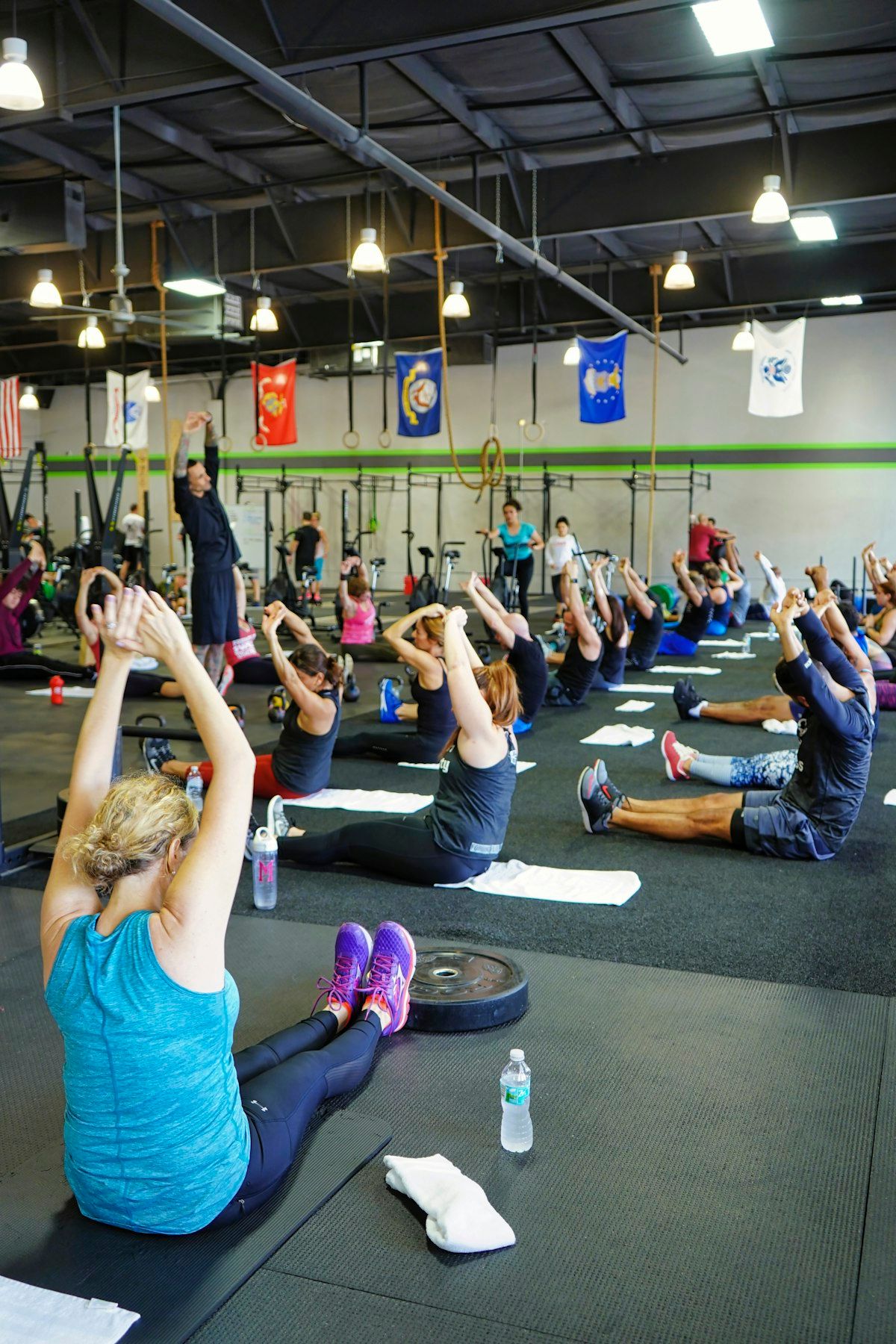
One-to-one training puts the whole session, plan and every form correction on you alone.
Not sure which suits you? Book a free consultation and we will work out whether one-to-one, small-group or a mix fits your goal and budget best, or browse the training options and programmes first.
Frequently asked questions
Group personal training vs one on one: which gets better results?
For a specific goal, one-to-one usually gets faster results because the plan and every rep are tailored to you, with constant form correction. Small-group still gets very good results for general fitness and toning, with the bonus of motivation from training alongside others. The best choice depends on how specific your goal is and how you train best.
Is one-on-one personal training worth it?
For most people with a specific goal, an injury, or who are new and want to learn properly, yes. You get a fully personalised plan, undivided attention and the fastest route to results, and you learn technique you can use for life. If budget is the main concern or you prefer company, small-group training is a strong, cheaper alternative.
What are the downsides of group training?
The main trade-offs are less personalisation and shared form attention: the coach splits their focus across the group, so the plan is less bespoke and corrections are less constant than one-to-one. Scheduling is coordinated with others, and it is a shared rather than private setting. For a specific goal or an injury, those trade-offs matter more.
How much cheaper is small-group training?
Small-group and partner training is charged lower per person than one-to-one because you share the coach's time, often less than half the per-session cost. It is consistently the cheaper-per-head option, which is its main appeal, and it lets many people afford regular coaching they otherwise could not.
What is small-group or semi-private training?
Small-group or semi-private training is usually two to six people training together under one coach, often on individual plans within the same session. You still get real coaching attention, shared across a few people, at a lower price each. It sits between one-to-one training and large group fitness classes.
Can you do partner or couples personal training?
Yes, and it is popular. Training with a friend, partner or family member splits the cost, adds accountability, and makes sessions more fun and more likely to stick. It is one of the best-value ways to train with a proper coach while keeping the sessions personal to just the two of you.
Which is better for beginners?
Either can work, but many beginners benefit from a few one-to-one sessions first to learn the key movements and get a plan, then moving to small-group or partner training to keep it affordable and sustainable. Learning good technique early makes any later group training safer and more effective.
Can you combine one-to-one and group training?
Yes, and it is often the smartest, most cost-effective approach: start with one-to-one to build the foundation and learn the lifts, then use small-group or partner training to keep it up affordably, with the occasional one-to-one session for a form check or a plan update. You get personalisation and sustainability together.
How many people are in a small group?
Small-group or semi-private training usually means two to six people with one coach. That is small enough for the coach to still give real individual attention and keep an eye on form, while sharing the cost across the group. Partner training is the smallest version, just two of you, which keeps sessions personal while splitting the price.
Do you get a personalised plan in small-group training?
Partly. A good coach still programs for your level and goal within the session, so it is more tailored than a big class, but it is not as fully bespoke as one-to-one, where every rep and the whole plan are built around you alone. If a highly individual plan is essential, for an injury or a specific target, one-to-one is the better fit.
Sources
Ready to put this into practice?
Book a free consultation