 Phuket Training
Personal training over 40 in Phuket: a realistic approach
Training over 40 is one of the most valuable things you can do for your body, and it is never too late to start, but it works best with a smarter approach than you might have taken at 20. The priorities shift toward strength training to protect the muscle, bone and metabolism that naturally decline with age, alongside proper recovery, enough protein, and joint-friendly programming. You do not need to punish yourself; you need consistency and a plan built for where you are now. Phuket, with its year-round climate for walking, swimming and outdoor training, is a great place to do exactly that.
This guide covers why training changes after 40, a realistic weekly approach, and how to get started safely.
Is it too late to get fit after 40 or 50?
No, it is genuinely never too late, and the benefits of starting in your 40s, 50s and beyond are enormous. Your body still responds to training at any age: you can build strength, gain muscle, lose fat and improve energy, mobility and health markers. In fact, because muscle and bone naturally decline with age, training becomes more important as you get older, not less.
Many people over 40 assume the window has closed, but the research and the results say otherwise. Strength training in particular delivers outsized benefits later in life, protecting independence, posture, balance and metabolism. The only real difference is how you train: a bit more thoughtfully, with better recovery and technique. Start sensibly and progress gradually, and your 40s or 50s can genuinely be when you get into the best shape of your life.
Why training over 40 is a little different
Training after 40 changes because a few things about your body shift with age, and a good approach works with them rather than ignoring them. None of these are reasons not to train; they are reasons to train smart.
- Muscle declines naturally. From around your 30s onward you gradually lose muscle unless you train to keep it, which is exactly why strength work becomes a priority.
- Bone density matters more. Weight-bearing and strength training help protect bone, which is especially important for women around and after menopause.
- Recovery takes longer. You can train hard, but you need more attention to rest, sleep and sensible programming to recover well.
- Joints appreciate control. Good technique and joint-friendly exercise selection matter more, though strength training done well actually protects your joints.
Understanding these shifts is what separates a programme that ages well from one that leads to burnout or injury.
Strength training is the priority
If you do one thing after 40, make it strength training, because it directly counters the muscle and bone loss that come with age while keeping your metabolism up. Cardio and walking are valuable for your heart and daily energy, but lifting is what preserves the strong, capable, toned body that keeps you independent and looking good as you age. Strength training builds muscle and supports your joints and posture, which matters increasingly over time.
You do not need to lift like a bodybuilder. Two or three sensible strength sessions a week, built around the main movements and progressed gradually, is enough to transform how you feel and function. The same principles that build a stronger lower body apply at any age, simply applied with more attention to warm-up, technique and recovery. Strength training is the foundation everything else sits on.
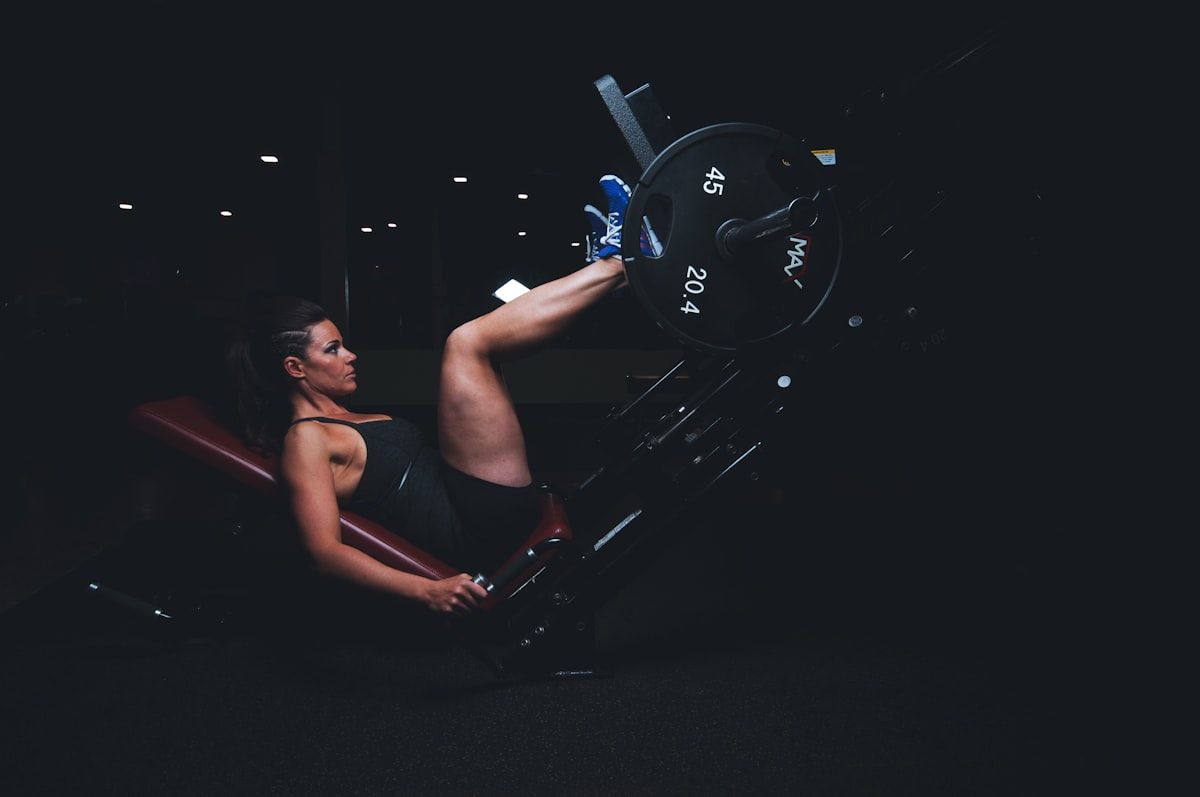
Strength training is the priority after 40, protecting the muscle and bone that decline with age.
A realistic weekly approach
A realistic week over 40 balances strength training, daily movement, mobility and genuine recovery, rather than hammering yourself every day. The example below is the kind of sustainable structure that gets results without wearing you down.
| Element | How much |
|---|---|
| Strength training | 2 to 3 sessions a week, full-body, progressed gradually |
| Daily walking | Most days, ideally in Phuket's cooler hours |
| Mobility and stretching | Short sessions to keep joints moving well |
| Low-impact cardio | Optional, such as swimming or cycling, for the heart |
| Recovery | Rest days and good sleep, treated as part of the plan |
Notice that recovery is on the list. Over 40, rest is not laziness; it is when your body adapts and gets stronger. This balanced approach is far more effective and sustainable than daily high-intensity sessions, which tend to lead to injury or burnout. Consistency across months, not intensity in any single week, is what changes your body.
Protein and nutrition over 40
Nutrition over 40 matters more than ever, and protein is the standout priority because your body needs more of it to maintain muscle as you age. Eating enough protein, spread across your meals, helps counter age-related muscle loss and supports recovery from training. Harvard Health lists fish, poultry, eggs, dairy, beans and lentils as excellent protein sources, all easy to find in Phuket.
Beyond protein, the basics still apply: mostly whole foods, plenty of vegetables, sensible portions, and enough total energy to fuel training and recovery. Crash diets are an even worse idea over 40, because losing muscle at this stage is harder to reverse. A modest, sustainable approach built around protein and whole foods, as set out in the diet plan for women, is the way to lose fat while keeping the muscle that matters so much now.

Two or three progressive strength sessions a week, with good technique, transform how you feel over 40.
Training around aches, joints and old injuries
Old aches and niggles are common over 40, but they are reasons to train smart, not reasons to avoid training, because appropriate strength work usually improves them. Strengthening the muscles around a cranky knee, hip or back often reduces pain and improves function, provided the exercises and loads are chosen well. Avoiding movement altogether tends to make stiffness and weakness worse.
The key is sensible exercise selection and good technique, which is exactly where a knowledgeable coach earns their fee. A trainer can work around a specific joint, choose low-impact alternatives where needed, and load you appropriately so you build strength without aggravating anything. If you have a specific injury or condition, get it checked medically first, then a qualified trainer can programme safely around it. Training around limitations intelligently is far better than sitting still.
Menopause, hormones and training
For women, the years around menopause bring changes that make strength training and good nutrition especially worthwhile. Shifting hormones can affect muscle, bone density, body composition and energy, and strength training plus adequate protein directly help with several of these. Rather than a reason to slow down, this stage is a strong reason to prioritise resistance training.
Many women find their body responds differently in their 40s and 50s, with fat loss feeling harder and strength taking more deliberate work. The answer is not extreme dieting or endless cardio, which tend to backfire, but consistent strength training, enough protein, and patience. A coach who understands women's training through this stage can build a programme that works with your body, and many women prefer a female personal trainer who understands it first-hand.
Training over 40 in Phuket
Phuket suits older trainers well, with a warm climate for year-round outdoor activity and easy access to low-impact options like swimming. Walking in the cooler morning hours, swimming in the sea or a pool, and strength training in an air-conditioned gym on hot days make it easy to stay active without beating up your joints. The heat does need respecting, though.
Train in the cooler parts of the day, early morning or late afternoon, stay well hydrated, and ease off intensity while you acclimatise if you are new to the climate, as covered in the beginner's guide to training in Phuket. Swimming deserves a special mention for the over-40s, as it builds fitness with almost no joint impact. Used well, Phuket's environment makes a joint-friendly, sustainable routine genuinely enjoyable.
Getting started over 40
The best way to start over 40 is with an honest assessment of where you are, ideally guided by a coach who can build a programme around your body, history and goals. There is no need to compare yourself to anyone else or to who you were twenty years ago; the only comparison that matters is week-to-week progress from today.
As a NASM-certified trainer in Phuket, I coach clients over 40 with joint-friendly, progressive strength programmes paired with sensible nutrition, in person across the south of the island and online. Whether you are returning after years off or starting fresh, you can book a free consultation or look at the training programmes to find the right starting point. There are more Phuket training guides on the blog too.
Warming up and mobility over 40
A proper warm-up and regular mobility work become genuinely important after 40, because they prepare your joints and muscles and reduce the niggles that can otherwise derail training. Skipping the warm-up in your 20s might have been fine; over 40 it is a false economy. Five to ten minutes of gentle movement before a session pays for itself many times over.
A good warm-up raises your heart rate gently, takes your joints through their range, and rehearses the movements you are about to train, so a few light sets before your working weights. Alongside this, short regular mobility sessions, even ten minutes a few times a week, keep your hips, shoulders and spine moving well and counter the stiffness of desk work and daily life. This is not about long, complicated routines; it is about consistently keeping your body supple. Many people over 40 find that a little mobility work is what lets them keep training hard and comfortably, so treat it as part of the plan rather than an optional extra.
Sleep, recovery and stress
Recovery is where your body actually adapts to training, and over 40 it deserves as much attention as the workouts themselves. Muscles get stronger during rest, not during the session, so skimping on recovery undermines all your hard work. As you age, giving recovery its due becomes even more important for progress and for avoiding injury.
Sleep is the single most powerful recovery tool, so aim for good, consistent sleep as a priority rather than an afterthought. Managing stress matters too, since chronic stress hampers recovery and can stall fat loss. Practically, this means building rest days into your week, not training the same muscles two days running, and paying attention to how recovered you feel before pushing hard again. In Phuket's heat, hydration and not overdoing midday sessions also protect your recovery. Train hard, but respect that the results are built while you rest, and you will progress far more smoothly.
A sensible first month over 40
A good first month over 40 eases you in, building the habit and technique before any hard pushing, so you finish it stronger and wanting more rather than burnt out. There is no need to prove anything in week one; the aim is a foundation you can build on for years. Start conservatively and progress from there.
A realistic first month looks like two full-body strength sessions a week to begin, focusing on learning the main movements with light, controlled weights, plus daily walks in the cooler hours and a little mobility work. Keep the sessions short, around 30 to 45 minutes, and finish each feeling worked but not wrecked. As your technique and confidence grow, you can add a third session and gradually increase the weights. Pair this with enough protein and good sleep, and by the end of the month most people feel noticeably stronger, more energetic and ready to progress. That gentle, consistent start is exactly what turns training over 40 into a lasting habit rather than a short-lived burst.
Staying consistent and motivated over 40
Consistency is what delivers results over 40, so the real skill is building a routine you can sustain for years rather than chasing short bursts of intensity. Motivation always comes and goes; the people who transform their health after 40 are simply those who kept training through the flat patches. Making training easy to keep is therefore more important than making it impressive.
A few things help enormously. Schedule your sessions at times that realistically fit your life, so they become automatic rather than a decision each day. Choose training you genuinely enjoy at least some of the time, because you will stick with what you like. Track your progress, since seeing your strength climb is powerful motivation. And focus on how training makes you feel, more energy, better sleep, less stiffness, rather than only on appearance, because those daily benefits keep you coming back. Some people find a trainer's accountability is exactly what turns intention into consistency, especially through the early weeks.
However you do it, aim for a sustainable rhythm over months and years, and the results compound in a way that no short-lived burst of effort ever matches.
Cardio and heart health over 40
While strength training is the priority, some regular cardio is valuable over 40 for your heart, energy and long-term health, so a good routine includes both. Cardiovascular fitness matters increasingly with age, and it supports everything from daily energy to recovery between strength sessions. The key is to fit cardio around your strength work rather than letting it crowd it out.
You do not need punishing cardio sessions; regular brisk walking, which Phuket's climate makes easy in the cooler hours, covers a great deal on its own. Adding one or two sessions of something you enjoy, swimming, cycling, or a class, rounds out your fitness and burns extra calories if fat loss is a goal. Swimming is especially good over 40 because it builds cardiovascular fitness with almost no joint impact. General guidance suggests aiming for a couple of hours of moderate activity across the week, which daily walks plus a session or two easily achieve.
Keep strength as the backbone of your plan, use cardio to support your heart and energy, and you have a balanced approach that keeps you fit, capable and healthy for the long haul.
Frequently asked questions
Is it too late to get fit after 40 or 50?
No. Your body responds to training at any age, so you can build strength and muscle, lose fat and improve energy and health well into your 40s, 50s and beyond. Because muscle and bone decline with age, training actually becomes more important, not less. Start sensibly and progress gradually, and the results can be excellent.
What is the best exercise over 40?
Strength training is the standout, because it counters age-related muscle and bone loss and keeps your metabolism up. Combine two or three strength sessions a week with daily walking, some mobility work, and optional low-impact cardio like swimming. This balanced mix builds a strong, capable body while being kind to your joints and recovery.
How often should someone over 40 train?
Two to three strength sessions a week, plus daily walking and some mobility work, suits most people over 40. Just as important is recovery: rest days and good sleep are when your body adapts. Training hard every day tends to cause burnout or injury at this stage, so a balanced, consistent week wins.
Can I build muscle after 40?
Yes. Building muscle is entirely possible in your 40s, 50s and beyond with consistent strength training and enough protein. It may come a little slower than in your 20s and require more attention to recovery, but the process works at any age, and the benefits for strength, metabolism and healthy ageing are substantial.
How much protein do I need over 40?
Protein needs stay high or even rise with age, because your body needs it to maintain muscle. Aim to include a good protein source at every meal, drawing on fish, poultry, eggs, dairy, beans and lentils. Adequate protein supports muscle maintenance and recovery, both of which matter more the older you get.
Is strength training safe for my joints over 40?
Done well, strength training protects your joints rather than harming them, by strengthening the muscles that support them and improving movement. Good technique, sensible loads and appropriate exercise selection are key, which is where a coach helps. If you have a specific joint issue, get it checked medically, then train around it intelligently.
Should women train differently around menopause?
The priorities, strength training and adequate protein, become even more important around menopause, when hormonal changes can affect muscle, bone and body composition. Rather than extreme dieting or endless cardio, consistent resistance training and sensible nutrition work best. A coach who understands women's training through this stage can tailor a programme that works with your body.
Can I train over 40 with old injuries?
Usually yes, and often you should, since appropriate strength work frequently reduces old aches by strengthening the surrounding muscles. The key is sensible exercise selection and good technique, ideally guided by a trainer. Get any specific injury checked medically first, then a qualified coach can build a programme that works safely around it.
Do I need to lift heavy weights over 40?
You need to lift challenging weights for you, which is not the same as lifting maximally heavy. Training with good technique and enough resistance to make the last few reps hard is what builds and preserves muscle. You can progress gradually and stay well within safe, controlled loads. It is the consistent, progressive effort that matters, not chasing extreme numbers.
Is it safe to start exercising at 50 or 60?
Generally yes, and it is one of the best things you can do for healthy ageing, though you should check with your doctor first if you have any health conditions or have been inactive for a long time. Starting gently, learning good technique, and progressing gradually makes it safe. A qualified trainer can build a programme suited to your starting point and any considerations.
Sources
- Cleveland Clinic, strength training benefits for muscle and joints
- Harvard Health, protein sources for maintaining muscle
- NHS, physical activity and exercise guidance
About this guide
This guide was written and reviewed by Jeejee, a NASM-certified personal trainer (NASM-CPT) based in Phuket who specialises in women's fitness, fat loss, strength and nutrition coaching, in person across south Phuket and online. It is general educational information, not medical advice. If you have a health condition or injury, or have not exercised in a long time, check with a doctor before starting. Last reviewed July 2026.
Ready to put this into practice?
Book a free consultation