 Phuket Training
Postnatal personal training in Phuket: how to start safely
Postnatal personal training is a gradual, guided return to exercise after having a baby, starting only once your doctor or midwife has cleared you, usually around your six-week check, and rebuilding from the core and pelvic floor outward before any heavy or high-impact work. Done properly it helps you regain strength, energy and confidence safely; rushed, it risks injury. In Phuket, a qualified trainer, often a female coach who understands what your body has been through, can guide that return at the right pace, in person or online. This guide explains when to start, why postnatal training is different, a safe progression, and what to avoid. It is general information, not medical advice, so always get personal clearance first.
When can you start postnatal training?
Most women can begin gentle, structured exercise once their doctor or midwife has given the all-clear, which is commonly around the six-week postnatal check, and later after a caesarean or a complicated birth. Every recovery is different, so this is a decision to make with your healthcare provider, not a fixed date. Gentle walking and basic breathing and pelvic-floor work can often start earlier if you feel up to it, but structured training should wait for clearance.
If you had a caesarean section, tearing, or any complications, your timeline will usually be longer and more cautious, and that is completely normal. The single most important rule of postnatal training is to start only when you have been cleared and to build up gradually from there. A good trainer will always ask about your birth and your clearance before programming anything, and the NHS offers general guidance on returning to activity that a qualified coach then applies to you individually.
Why postnatal training is different
Postnatal training is not just normal training done gently; your body has changed in specific ways that shape how you should rebuild. Understanding them is why a knowledgeable coach matters so much here.
- Your core has stretched. The abdominal muscles have lengthened and separated to some degree during pregnancy, so the deep core needs rebuilding before hard abdominal work.
- Your pelvic floor needs attention. Pregnancy and birth place big demands on the pelvic floor, which usually needs deliberate strengthening before impact or heavy lifting.
- Your joints may still be loose. Pregnancy hormones that loosen ligaments can linger for months, especially while breastfeeding, so control matters more than load early on.
- Energy and sleep are disrupted. Recovery, a newborn and broken sleep mean training has to fit realistically around a very different life.
None of this means you are fragile. It means the smart approach is to rebuild the foundations first, then progress, rather than jumping back into your old programme.
Where to start: core and pelvic floor first
The safest place to start is gentle breathing, pelvic-floor and deep-core work, well before any crunches, running or heavy lifting. These foundations rebuild the connection and control that everything else is built on, and skipping them is how women run into problems later. Early sessions often look surprisingly gentle, and that is exactly right.
A typical early focus includes diaphragmatic breathing to reconnect the deep core, gentle pelvic-floor activation, and low-load movements that teach your midsection to brace properly again. Walking, especially in Phuket's cooler morning hours, is an excellent low-impact way to rebuild your base fitness at the same time. Only once this foundation feels solid, and you are cleared, does it make sense to progress toward strength training and, much later, higher-impact work. A trainer who understands postnatal recovery will assess where you are and start at the right point.
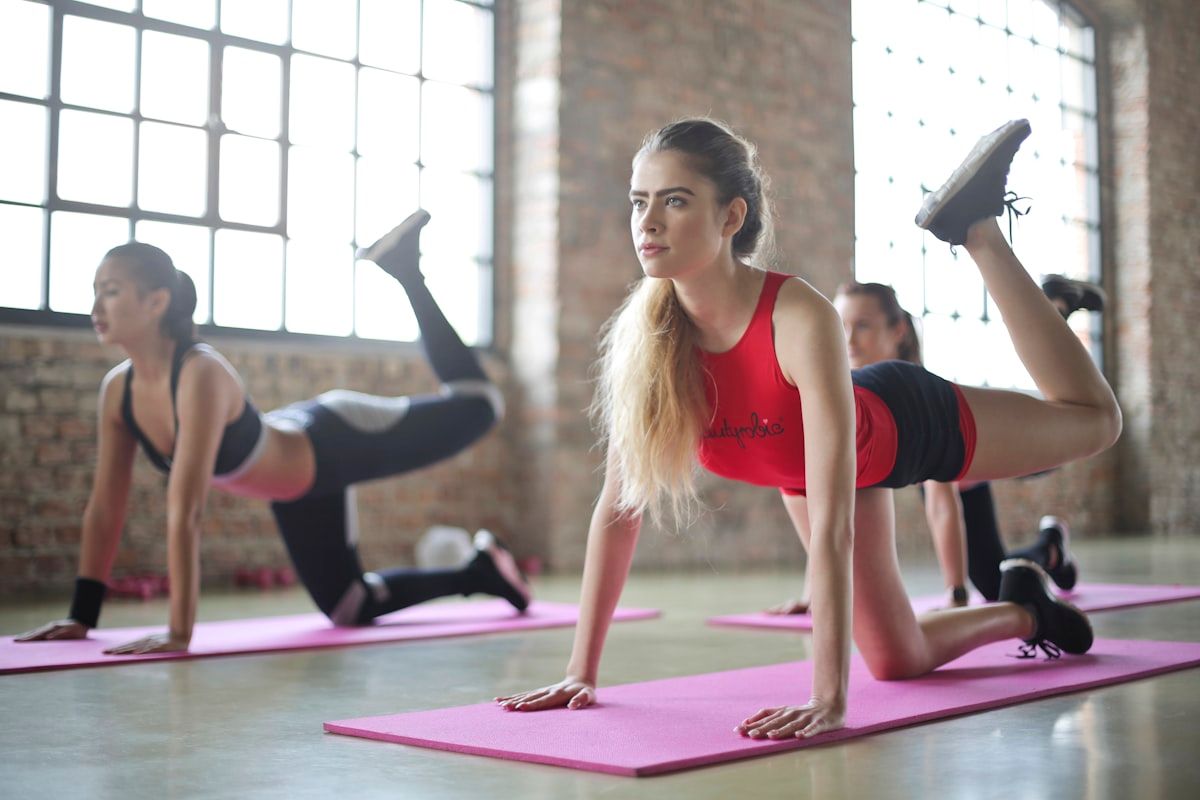
Postnatal training starts gently, rebuilding the deep core and pelvic floor before anything harder.
A safe postnatal progression
Postnatal training works best as a gradual progression through phases, letting your body adapt at each stage rather than rushing to where you were before pregnancy. The table below shows a sensible general shape, though your exact timeline depends on your birth, recovery and clearance.
| Phase | Rough focus |
|---|---|
| Recovery (once cleared) | Breathing, pelvic floor, deep core, walking |
| Rebuild | Gentle full-body strength, good technique, light loads |
| Strengthen | Progressive strength training, gradually adding weight |
| Return | Higher intensity and impact, only when core and pelvic floor are ready |
The pace through these phases is individual, and there is no prize for rushing. A good coach moves you on only when you are ready, watching for signs like pelvic-floor symptoms or coning of the abdomen that mean you need to slow down. This measured approach is what makes postnatal training both safe and genuinely effective.
What to avoid early on
Certain things are best avoided in the early postnatal period, because they can set back your recovery or cause real problems if done too soon. A trainer will steer you away from these until your body is ready.
- High-impact exercise. Running, jumping and similar impact work stress a pelvic floor that is not yet ready. These come much later.
- Heavy lifting. Loading up before the core and pelvic floor are rebuilt risks injury and pressure problems.
- Crunches and sit-ups. Traditional ab work can worsen abdominal separation early on; deep-core work comes first.
- Breath-holding under strain. Bracing by holding your breath spikes pressure on the pelvic floor; learning to breathe through effort matters.
- Comparing yourself to others. Every recovery is different, so social-media "bounce back" timelines are not a standard to chase.
Avoiding these early is not about being cautious for its own sake; it is what lets you progress faster and more safely in the long run.
Why a trainer helps with postnatal fitness
A qualified trainer is genuinely valuable for postnatal fitness because they keep your return safe, appropriately paced and effective when it is easy to do too much or too little. Left alone, many women either rush back into old routines and run into problems, or feel nervous and do nothing. A coach removes that guesswork.
The right trainer assesses your starting point, programmes around your clearance and recovery, watches your technique for warning signs, and progresses you at the correct pace. Many women prefer a female personal trainer for this stage, for the comfort and understanding it brings. The accountability also helps enormously when you are exhausted and short on time. A good coach makes postnatal training feel manageable and safe rather than daunting.

The right pace is individual, a good coach progresses you only when your body is ready.
Nutrition after having a baby
Nutrition after birth is about nourishing your recovery, not crash dieting, especially if you are breastfeeding and need extra energy. This is not the time for aggressive calorie cutting; your body is healing and, if you are feeding, supporting your baby. Eating enough, with plenty of protein, supports recovery, energy and, in time, gradual fat loss.
A sensible approach is a balanced diet built around protein, vegetables, whole-food carbohydrates and healthy fats, with enough total food to sustain you through a demanding period. Gentle, gradual fat loss can come later once you are established and, if breastfeeding, once that is going well, always prioritising energy and milk supply. The principles in the diet plan for women apply, simply applied more gently and with more food during this stage. If in doubt, especially while breastfeeding, speak to your doctor or a dietitian.
Postnatal training in Phuket
Phuket is a practical place to rebuild after having a baby, with year-round weather for gentle outdoor walking and flexible in-person or online coaching that fits around a newborn. Early morning walks along the quieter beaches or roads, before the heat builds, are an ideal low-impact way to start rebuilding fitness while getting out of the house.
For structured sessions, flexibility matters most when you have a baby, so online or hybrid coaching is often ideal, letting you train at home on your own schedule with a plan and check-ins from a coach. In-person sessions work well too if you have support with childcare. Whatever the format, the priorities stay the same: train in the cooler hours, stay well hydrated in the heat, and progress gently. If you are easing back into general fitness, the beginner's guide to training in Phuket covers the basics of training in this climate.
Getting started safely
The right first step is a conversation, not a workout, so a good trainer can understand your birth, your clearance and your goals before programming anything. That consultation is where a safe, realistic plan begins, built entirely around where your body is now.
As a NASM-certified trainer in Phuket, I coach women through safe, gradual postnatal training, in person across the south of the island and online, always working within your medical clearance and at your pace. If you would like to talk through a plan for your recovery, you can book a free consultation or see the training options and programmes. Please remember to get clearance from your doctor or midwife first, and browse more Phuket training guides whenever you are ready.
Why the pelvic floor matters so much
The pelvic floor deserves special attention postnatal because pregnancy and birth place enormous demands on it, and rebuilding it underpins safe return to everything else. This group of muscles supports your bladder, bowel and uterus, and helps control pressure in your abdomen during movement. When it is weakened, higher-impact or heavy exercise too soon can lead to problems like leaking or a feeling of heaviness.
The good news is that the pelvic floor responds well to deliberate training, which is why it is a priority in early postnatal work. Gentle, correct pelvic-floor activation, combined with proper breathing so you are not constantly increasing downward pressure, rebuilds the foundation for lifting, running and jumping later on. If you experience any leaking, heaviness, or pain, that is a sign to slow down and seek advice from your doctor or a women's-health physiotherapist. A trainer who understands postnatal recovery will always build from this foundation rather than rushing past it, and will refer you on if anything needs medical attention.
Signs you are ready to progress
Knowing when to move to the next stage matters as much as knowing where to start, and it comes down to reading your body rather than the calendar. You are generally ready to progress when the current level feels comfortable and controlled, and you have no warning signs. Rushing ahead because a certain number of weeks have passed is how problems arise.
Positive signs that you can progress include moving through your current exercises with good form and no strain, no pelvic-floor symptoms like leaking or heaviness, no doming or coning of your abdomen during core work, and feeling genuinely recovered rather than exhausted afterwards. If any of those warning signs appear, it is a cue to stay at your current level a little longer or ease back. This is exactly where a coach earns their value, watching for these signals and adjusting your programme so you progress at the right pace. Slow and steady genuinely wins here, and there is no prize for rushing back.
Fitting training around a newborn
The biggest practical challenge postnatal is not the training itself but fitting it around a baby, broken sleep and no spare time, so a realistic, flexible plan is essential. Rigid hour-long gym sessions rarely survive contact with a newborn, and that is completely normal. The answer is short, flexible sessions you can actually do.
Ten to twenty minute sessions at home, done when you get a window, add up far more than an ambitious plan you never manage. Online or hybrid coaching is often ideal at this stage, because you can train at home on your own schedule with a plan and check-ins rather than needing childcare and fixed session times. Gentle walks with the pram, in Phuket's cooler morning hours, count too and are a lovely way to get out. The key is to lower the bar to something sustainable and forgive yourself the days it does not happen. Consistency over months, not perfection in any week, is what rebuilds your strength and energy.
Returning to running and higher-impact exercise
Running, jumping and other high-impact exercise should be among the last things you add back postnatal, once your core and pelvic floor are genuinely ready, which is often several months after birth. Returning too soon is a common cause of pelvic-floor problems, so patience here protects you in the long run. There is no fixed date; readiness is individual and based on how your body responds.
Before returning to impact, you generally want to have rebuilt your deep core and pelvic-floor strength, be moving and lifting well without symptoms, and ideally have been assessed by a women's-health physiotherapist if you can. Signs that you are not ready include any leaking, heaviness or pressure during or after exercise, which are cues to stay with lower-impact training a while longer. A sensible path is to progress from walking to strength training to low-impact cardio, and only then to running and jumping, testing gently and backing off at any warning sign. A trainer who understands postnatal recovery, working alongside medical advice, will guide this return carefully rather than rushing it.
Getting back to impact safely is absolutely achievable; it simply rewards a patient, staged approach.
Looking after yourself, not just training
Postnatal fitness is really about feeling strong, capable and well again, so it is worth holding a kinder, bigger-picture view than chasing a pre-baby body by a deadline. The pressure many women feel to "bounce back" quickly is unhelpful and unrealistic, and comparing yourself to edited social-media timelines only adds stress at an already demanding time. Your body did something remarkable, and recovery deserves patience.
Framing training as self-care rather than punishment changes everything. The goals that serve you best are feeling stronger, having more energy for your baby, rebuilding your core and confidence, and enjoying some time that is just for you. Fat loss, if you want it, comes gently and later, built on enough food and consistent training rather than restriction, especially while breastfeeding. Getting outside for a walk in Phuket's cooler hours is as much for your head as your body. Be as kind to yourself as you would be to a friend in the same position, progress at your own pace, and let the results come.
That mindset is not only healthier; it is also what makes the training sustainable enough to actually work.
Frequently asked questions
When can I start exercising after having a baby?
Usually once your doctor or midwife has cleared you, commonly around the six-week check, and later after a caesarean or a complicated birth. Gentle walking and breathing work can often start sooner if you feel able, but structured training should wait for clearance. Every recovery differs, so decide the timing with your healthcare provider.
Is it safe to do a personal trainer postnatal?
Yes, once you have medical clearance and the trainer is qualified and understands postnatal recovery. A good coach rebuilds from the core and pelvic floor, progresses gradually, and watches for warning signs. This is often safer than returning alone, because the trainer keeps the pace and technique appropriate for your recovering body.
What exercises should I avoid after giving birth?
Early on, avoid high-impact exercise like running and jumping, heavy lifting, traditional crunches and sit-ups, and holding your breath under strain, until your core and pelvic floor are rebuilt and you are cleared. A trainer introduces these gradually and only when your body is ready, which protects your recovery.
How soon can I lose the baby weight?
Focus first on recovery and, if breastfeeding, on eating enough, rather than rushing weight loss. Gentle, gradual fat loss can begin once you are established and cleared, through balanced eating and progressive training. Aggressive dieting early on can harm recovery and, while breastfeeding, milk supply, so patience genuinely pays off here.
Can I train postnatal if I had a caesarean?
Yes, but your timeline will usually be longer and more cautious, and you must be cleared by your doctor first. Recovery from abdominal surgery takes time, so early training focuses on very gentle core reconnection and walking before any progression. A qualified trainer will programme specifically around your caesarean recovery.
What is diastasis recti and does it affect training?
Diastasis recti is a separation of the abdominal muscles that is common after pregnancy, and yes, it affects how you should train. It means starting with deep-core and breathing work rather than crunches, which can worsen it. A trainer who understands it will check for it and programme appropriately to help it heal.
Should I choose a female trainer for postnatal fitness?
Many women prefer a female trainer postnatal, for the comfort, relatability and understanding of what their body has been through. The most important factors are still qualifications and postnatal experience, but if a female coach makes you more comfortable and consistent, that is a genuine benefit worth considering.
Can I do postnatal training online with a baby at home?
Yes, and online or hybrid coaching is often ideal with a newborn, because you can train at home on your own schedule with a plan and check-ins from a coach. It removes the need for childcare and fixed session times, while still giving you a safe, progressive programme built around your recovery.
Can I train postnatal while breastfeeding?
Yes, exercise is generally fine and beneficial while breastfeeding, as long as you eat and drink enough to support both recovery and milk supply. This is not the time for aggressive dieting. Stay well hydrated, eat sufficient calories and protein, and a comfortable, supportive sports bra helps. If you have any concerns about supply or energy, check with your doctor or a lactation specialist.
How long until I feel like myself again after birth?
It varies a great deal, and comparing yourself to others is unhelpful. Many women start feeling stronger and more energetic within a few months of consistent, gentle training and decent nutrition, but full recovery is individual and can take longer. Progress is rarely linear with a newborn and broken sleep, so be patient and kind to yourself throughout.
Sources
About this guide
This guide was written and reviewed by Jeejee, a NASM-certified personal trainer (NASM-CPT) based in Phuket who specialises in women's fitness and nutrition coaching, in person across south Phuket and online. It is general educational information, not medical advice, and postnatal recovery is highly individual. Always get clearance from your doctor or midwife before starting postnatal exercise, and seek medical advice for any pain, pelvic-floor symptoms or abdominal separation. Last reviewed July 2026.
Ready to put this into practice?
Book a free consultation